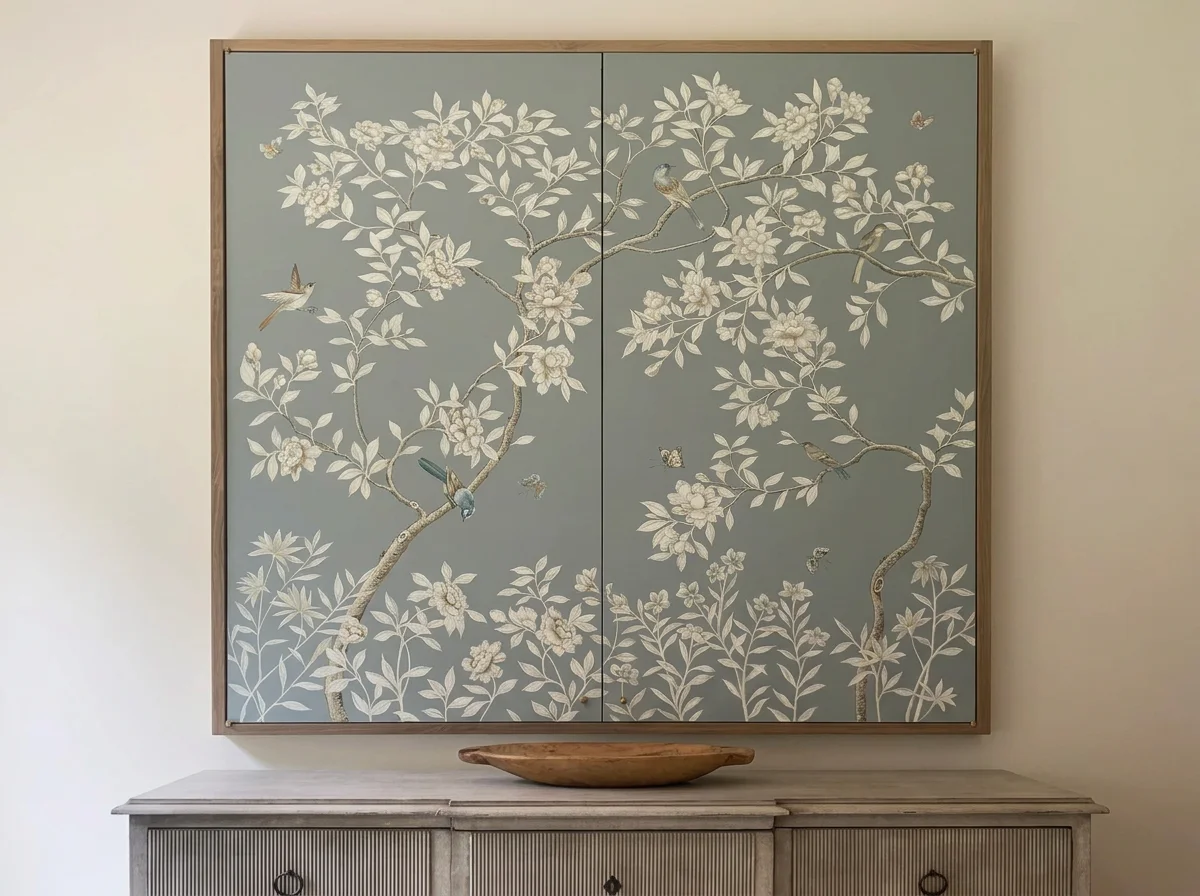
Furniture
Paint, plaster, glaze and leaf, applied to pieces rather than walls.
The only finish that moves.
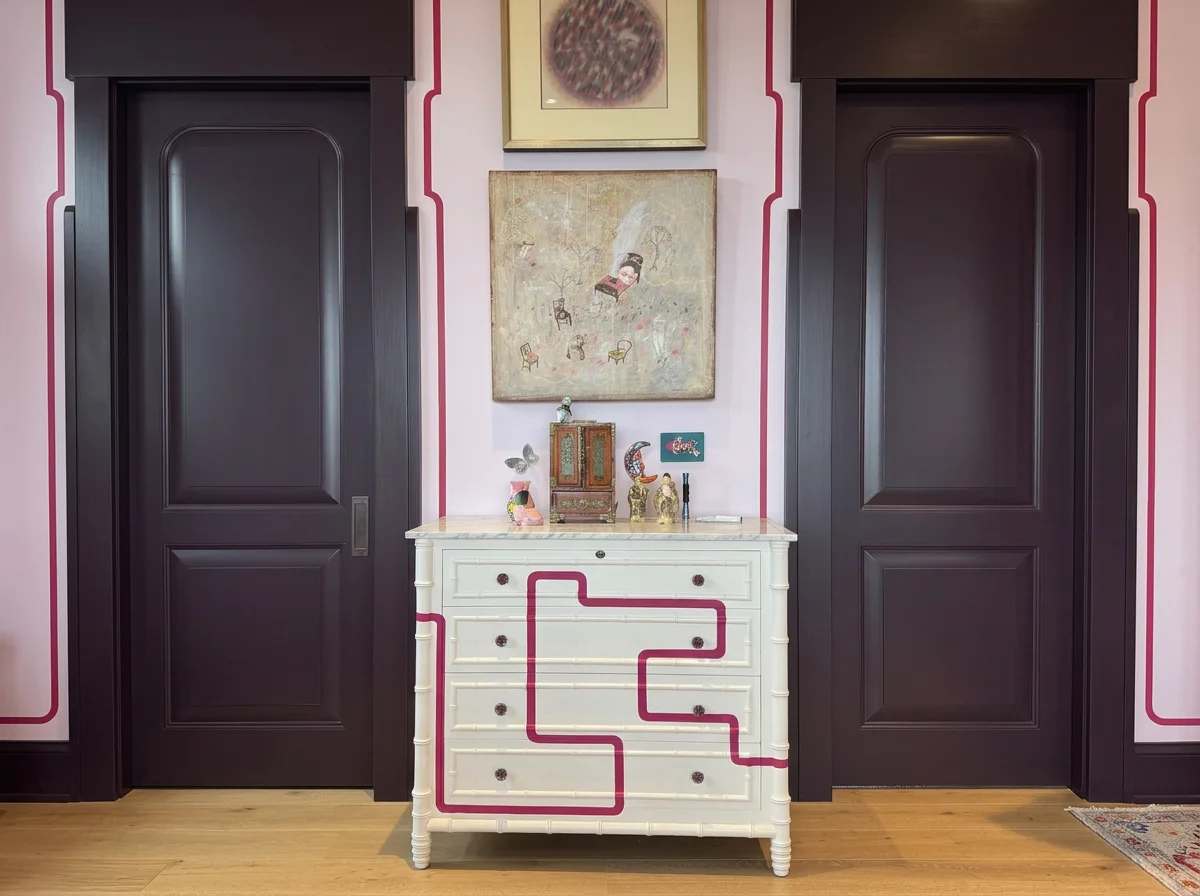
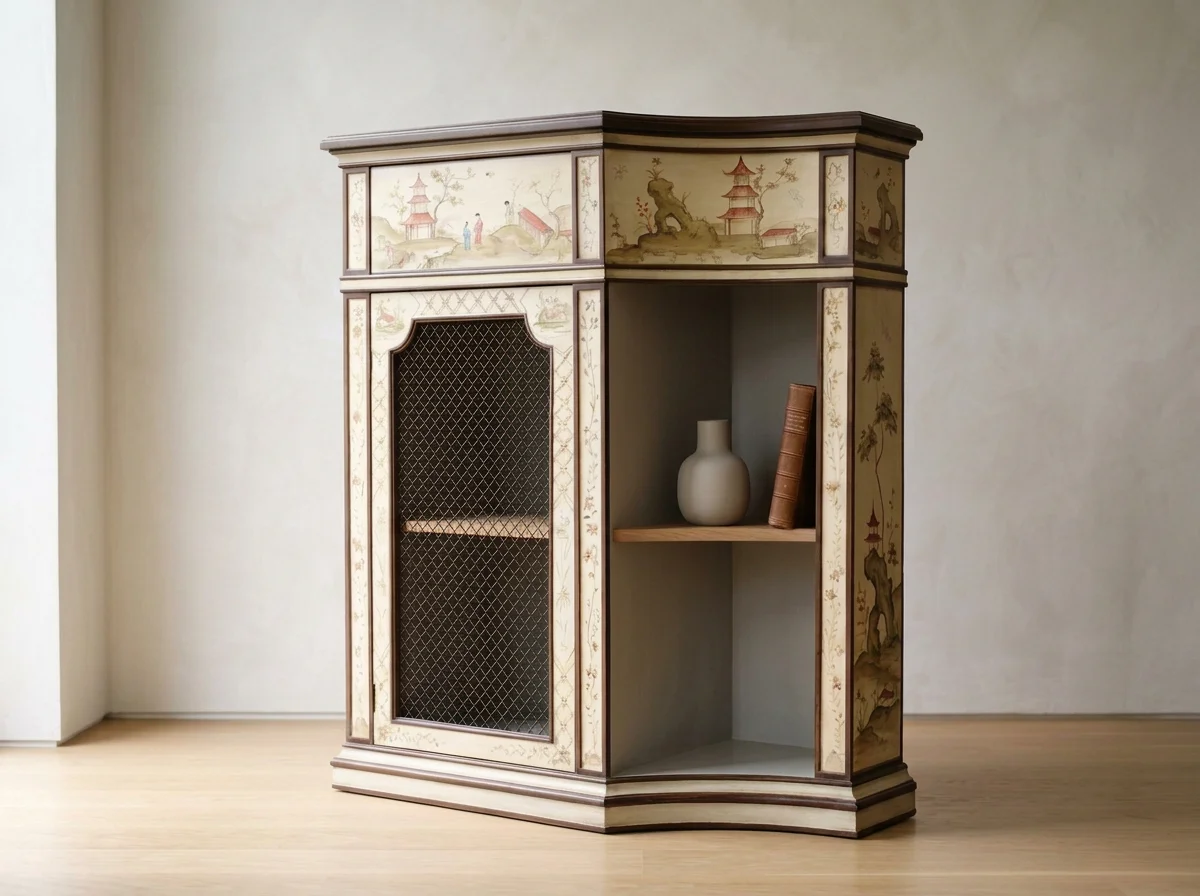
Furniture is looked at from eighteen inches and handled every day, so a finish on a cabinet door takes a special kind of inspection. Same materials, same techniques. The tolerance is tighter, and the surface has to be sealed for wear rather than left open the way a wall is.
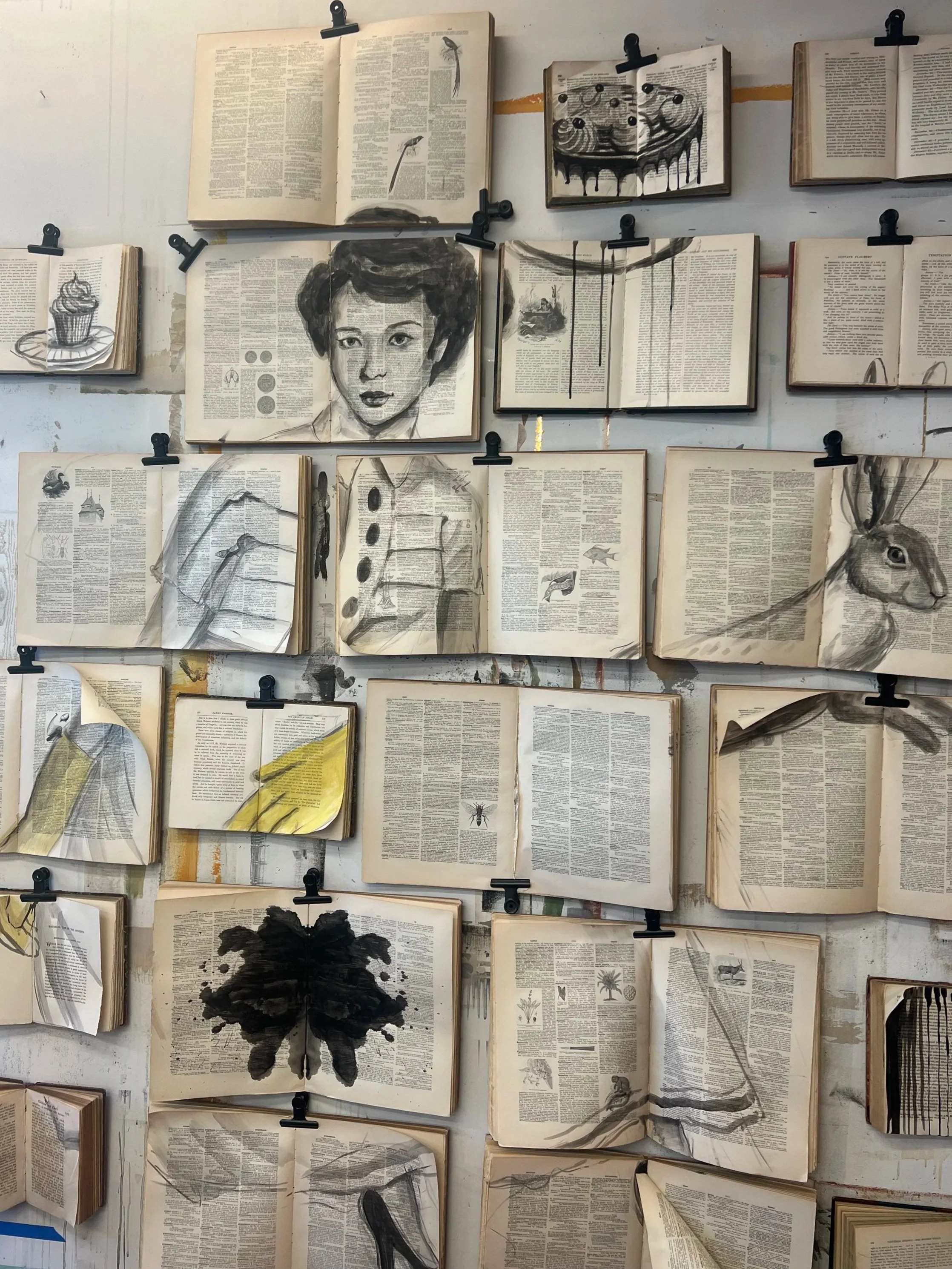
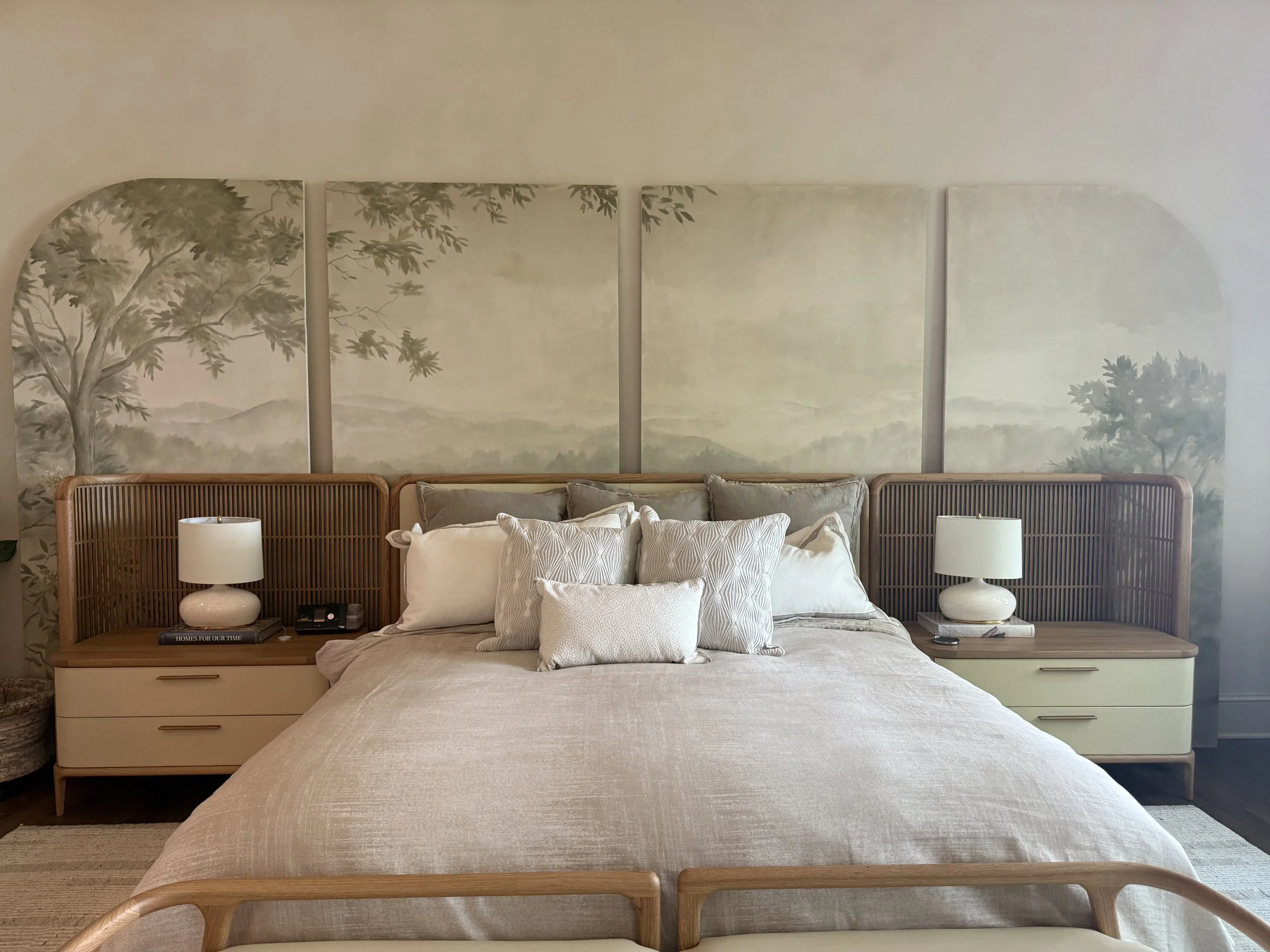
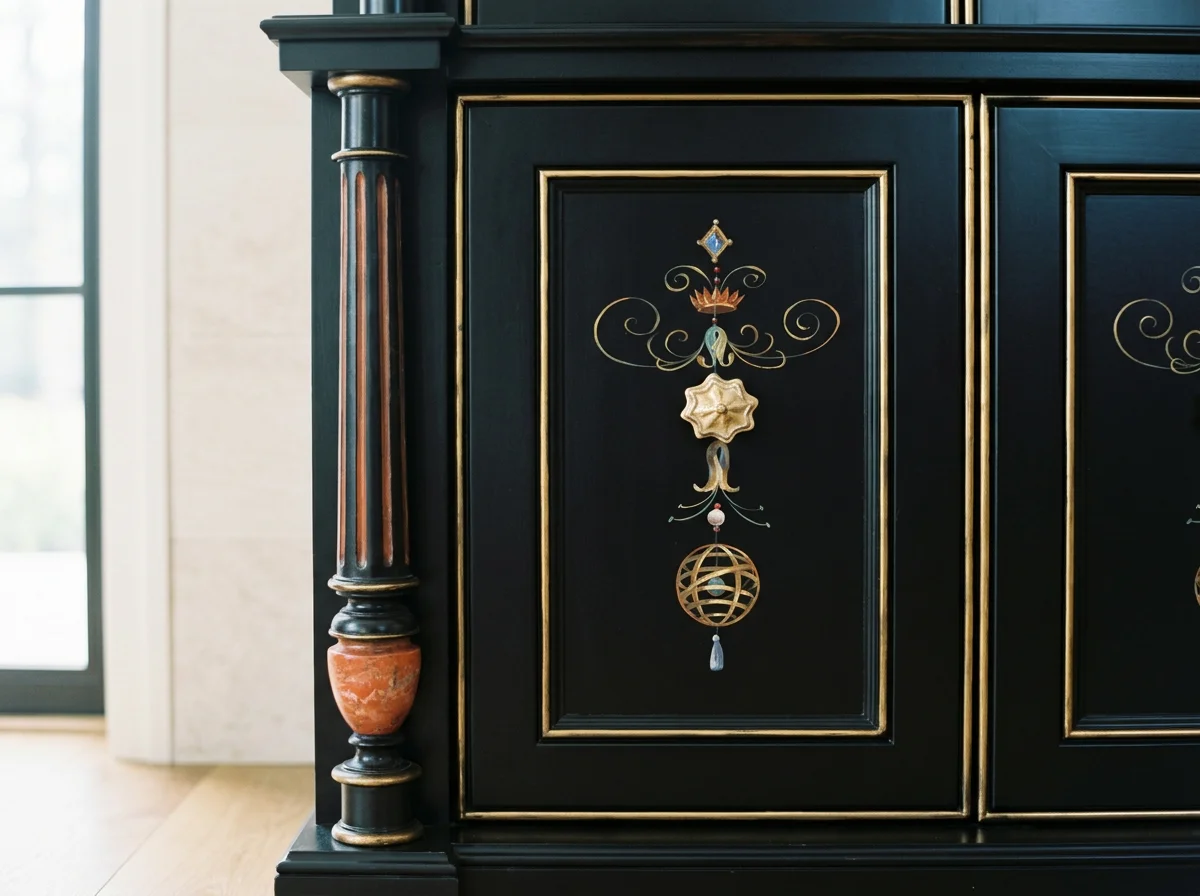
How it’s Made.
Most pieces come to the studio. They are stripped or prepared, the ground is built up, the finish goes on in layers, and the surface is sealed for handling.
Sealing is the part that differs from wall work. A tabletop takes heat, water and cleaning, so what protects it is chosen for the use rather than for the look, and it changes the sheen. We will tell you what a given finish will and will not survive before it goes on.
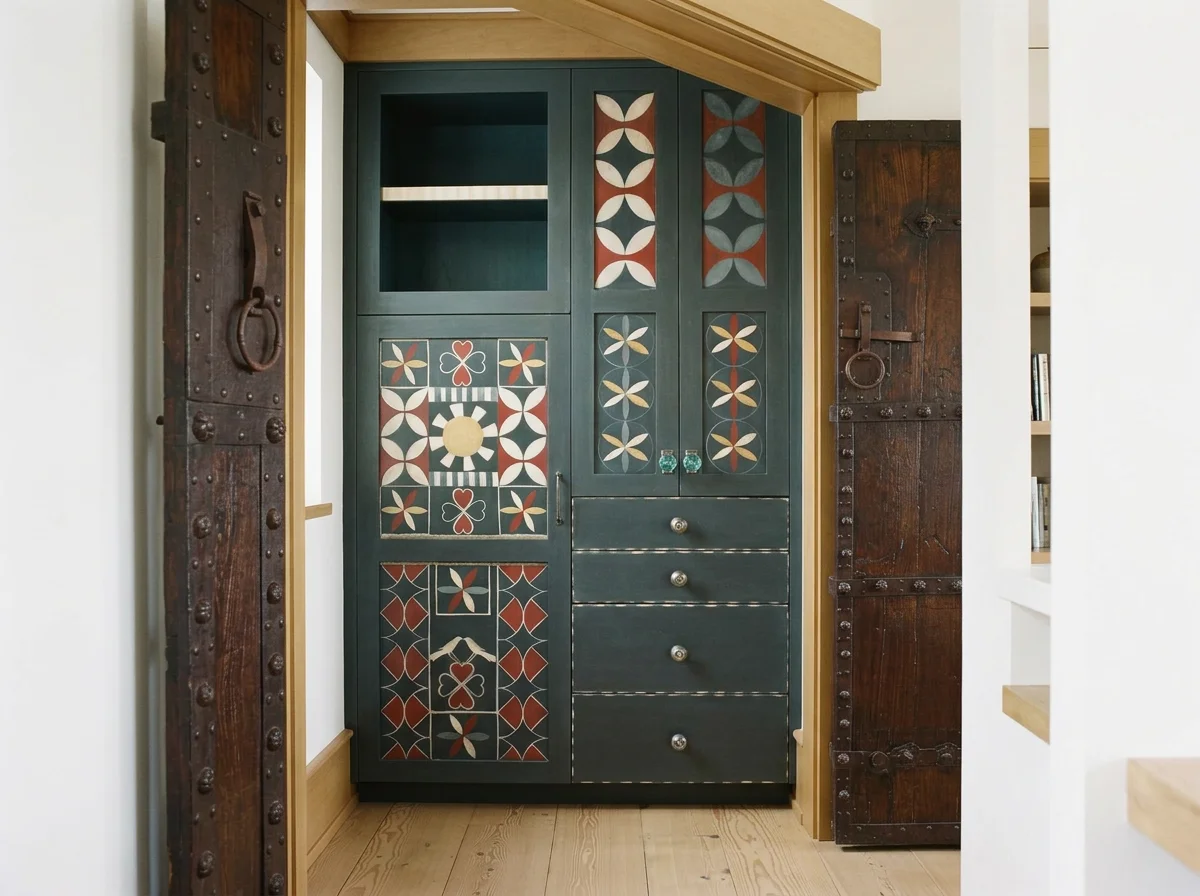
Built-ins are done in place and sequenced with your millworker and your painter, so nobody is working over anybody.
The Pieces
-
A piece that no longer works with the room, or one that has had its age stripped out of it and needs it put back.
-
New cabinetry that needs to stop looking new, or that has to sit down quietly next to a strong wall finish.
-
Painted, gilded or plastered, in the studio.
-
Plaster, gilded and reverse-painted glass, and scagliola.
-
Applied decoration on pieces that are not architecture.




Request a Sample
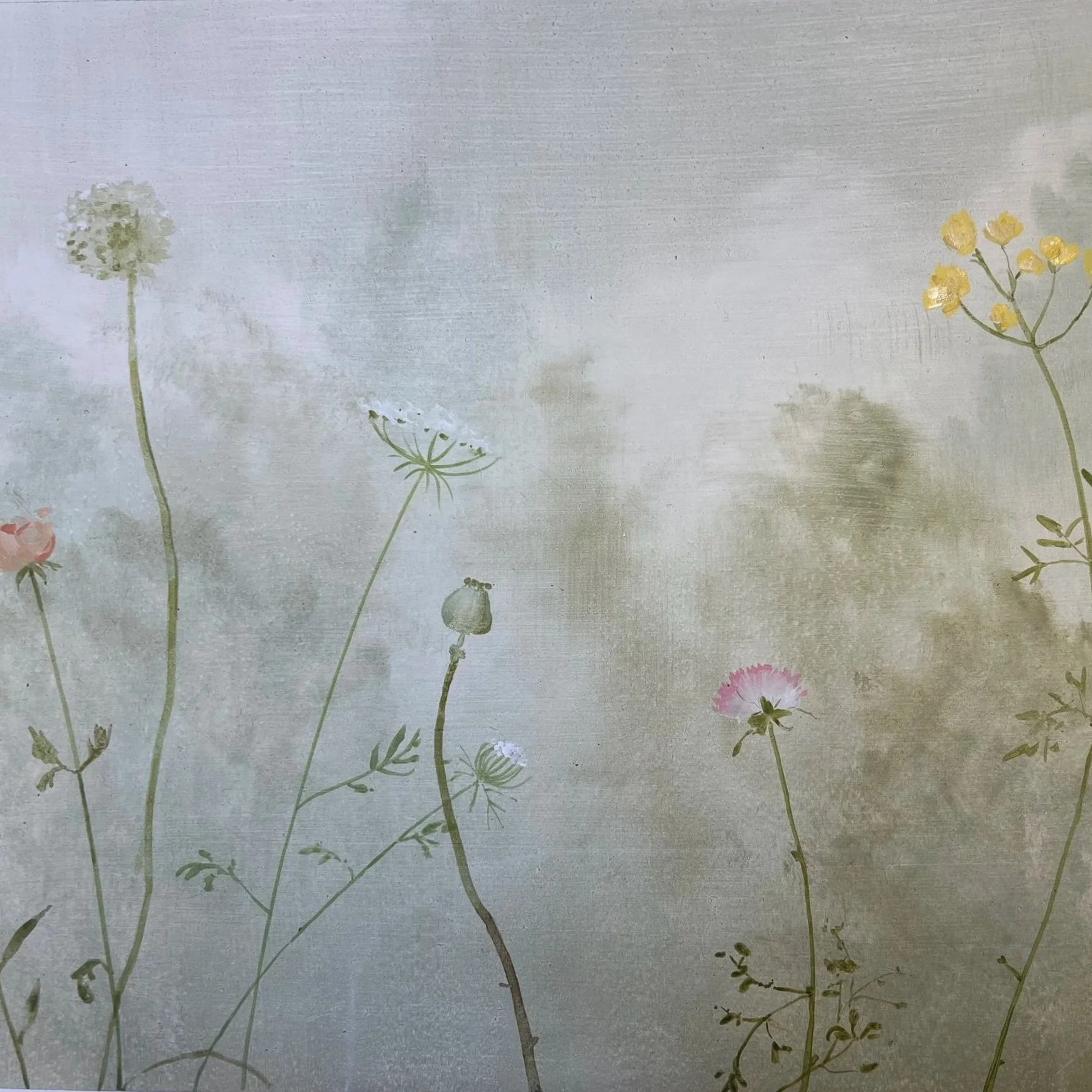
We understand the importance of having a physical sample to make informed decisions. Simply fill out the form below, specifying the sample colors and finishes you’d like to explore, and a member of the Studio C team will be in touch to assist you.